
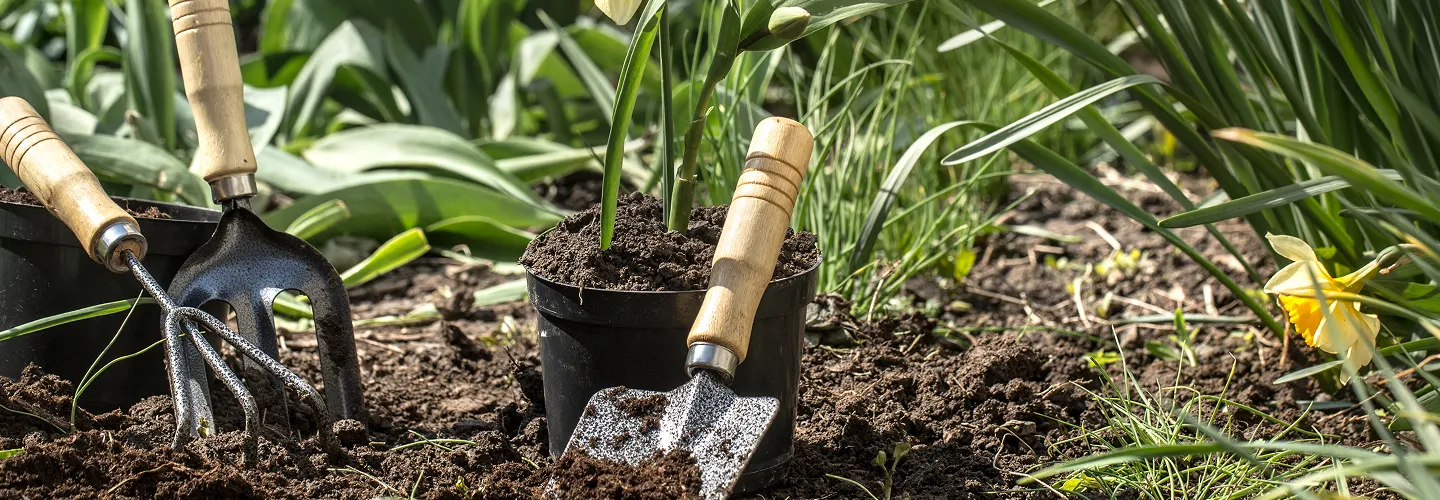
Winter Haven Plant Removal Services
Choose our expert Plant Removal services for safe, efficient, and eco-friendly solutions that restore beauty and balance to your outdoor spaces—trust our experienced team to handle even the toughest removals with care and professionalism.
Get a Free QuoteOur Winter Haven Landscaping & Yard Care Services
When to Schedule Plant Removal in Winter Haven, Florida – Seasonal Guide
In Winter Haven, Florida, the best time to schedule plant removal is typically during the late winter to early spring months, before the onset of the region’s intense summer heat and humidity. This timing allows for easier root extraction and minimizes stress on your landscape, especially in neighborhoods like Cypress Gardens and Lake Howard, where mature trees and dense shrubbery are common. Local weather patterns, such as the risk of late frosts in January and February, should be considered to avoid damaging surrounding plants that may still be dormant.
Winter Haven’s unique combination of sandy soils, high humidity, and periodic droughts means that plant removal projects must be carefully timed. Areas near Lake Eloise or Chain of Lakes Park may experience higher soil moisture, which can facilitate easier removal but also requires attention to erosion control. Additionally, municipal guidelines and seasonal restrictions—often detailed on official resources like the City of Sudbury website—should be reviewed before starting any major landscape changes.
Local Factors to Consider for Plant Removal in Winter Haven
- Tree and shrub density in your yard
- Terrain slope and proximity to water bodies
- Seasonal precipitation and drought risk
- Local frost dates and temperature fluctuations
- Shade coverage from mature trees
- Soil type (sandy, loamy, or clay)
- Municipal restrictions or permit requirements
Benefits of Plant Removal in Winter Haven
Expert Landscaping Services
Efficient Plant Removal
Eco-Friendly Disposal
Improved Curb Appeal
Customized Solutions
Licensed and Insured Team
Winter Haven Plant Removal Types

Tree Removal
-
Shrub Removal
-
Stump Grinding
-
Invasive Species Removal
-
Root System Extraction
-
Overgrown Vegetation Clearing
-
Dead Plant Disposal
Our Plant Removal Process
Site Evaluation
Preparation and Safety Measures
Plant Extraction
Debris Removal
Site Restoration
Why Choose Winter Haven Landscape Services
Winter Haven Homeowners Trust Us
-
Expert Lawn Maintenance
-
Reliable Scheduling
-
Competitive Pricing
-
Professional Team
-
Satisfaction Guarantee
-
Personalized Service
-
Locally Owned and Operated
Coordinating Plant Removal with Winter Haven’s Public Works and Environmental Divisions
Plant removal in Winter Haven requires careful coordination with city departments to ensure proper disposal and environmental protection. The Winter Haven Public Works Department manages the collection and disposal of vegetative debris, including roots, stems, and invasive plant material. Residents and property managers must follow city guidelines for bundling, placement, and scheduling of plant debris for curbside pickup. For projects near lakes, canals, or stormwater features, the Natural Resources Division may require additional review to prevent runoff or habitat disturbance. It is essential to keep all plant debris out of swales, storm drains, and water bodies to protect local water quality. For large-scale removals or work adjacent to sensitive areas, verify if additional coordination is needed with the city’s environmental staff.
Winter Haven Public Works Department
451 Third Street NW, Winter Haven, FL 33881
Phone: 863-291-5852
Official Website: Winter Haven Public Works Department
Winter Haven Natural Resources Division
490 Third Street NW, Winter Haven, FL 33881
Phone: 863-291-5881
Official Website: Winter Haven Natural Resources Division
How Central Florida’s Climate and Soils Shape Plant Removal in Winter Haven
Winter Haven is situated in Central Florida’s inland peninsula, characterized by a humid subtropical climate, sandy soils, and a pronounced wet season from late spring through early fall. These conditions influence plant removal in several ways:
- Sandy, well-drained soils can make root extraction easier but increase the risk of erosion after removal, especially on sloped sites or near water bodies
- High rainfall during the wet season can cause exposed soil to wash into swales, lakes, or storm drains, requiring immediate stabilization after plant removal
- The region’s USDA Hardiness Zone 9b supports rapid regrowth of many invasive or nuisance species, making thorough root removal and follow-up monitoring essential
Additionally, many properties in Winter Haven are adjacent to lakes, canals, or retention ponds, increasing the importance of runoff control and soil stabilization after plant removal. For more on local soils, consult the USDA Web Soil Survey.
Regulatory Requirements and Environmental Compliance for Plant Removal in Winter Haven
Plant removal activities in Winter Haven are subject to both municipal and state-level regulations. Removal of vegetation near water bodies, wetlands, or stormwater features may require review by the city’s Natural Resources Division to ensure compliance with environmental protection standards. The Florida DEP NPDES Stormwater Program sets requirements for preventing sediment and debris from entering storm drains and surface waters. For projects involving herbicide use or invasive species management, applicators must comply with FDACS pesticide licensing and safety standards. Residents should also be aware that city code may restrict removal of certain protected species or require permits for large-scale clearing. Always verify current requirements with the city’s permitting office before beginning work.
Winter Haven Building Permits and Licenses
490 Third Street NW, Winter Haven, FL 33881
Phone: 863-291-5695
Official Website: Winter Haven Building Permits and Licenses
Professional Methods and Timing for Responsible Plant Removal in Winter Haven
Effective plant removal in Winter Haven requires attention to timing, technique, and site stabilization. The following professional standards are recommended:
- Schedule major removals during the dry season (late fall through early spring) to minimize erosion and runoff risk
- Remove entire root systems of invasive or nuisance plants to prevent regrowth, especially in sandy soils
- Immediately stabilize disturbed soil with mulch, erosion blankets, or approved groundcover to prevent sediment from reaching storm drains or water bodies
- Avoid heavy equipment use during saturated conditions to reduce soil compaction and rutting
- Dispose of all plant debris according to city guidelines, keeping material out of swales, canals, and curb inlets
For additional guidance on protecting water resources during landscape work, refer to UF/IFAS Gardening Solutions – Protecting Florida’s Water Resources and the EPA Stormwater Discharges from Municipal Sources.
What Neighborhoods Do We Serve Throughout Winter Haven, FL?
- Cypresswood This gated community features mature landscaping, irrigation-intensive lots, and proximity to golf course water features, requiring careful debris management.
- Lake Elbert Area Homes along Lake Elbert often have direct lake frontage and established trees, making runoff control and shoreline protection critical during plant removal.
- Downtown Winter Haven Urban core properties may have limited access and older landscaping, with special attention needed for debris containment and right-of-way rules.
- Southeast Winter Haven This area includes newer subdivisions with fill-based soils and engineered drainage, where soil stabilization after removal is especially important.
- Lake Ashton This active adult community features HOA-managed landscapes, pond adjacency, and strict appearance standards for plant removal and debris handling.
- Garden Grove Lots in this neighborhood often border canals or retention ponds, requiring extra care to prevent plant debris from entering water features.