
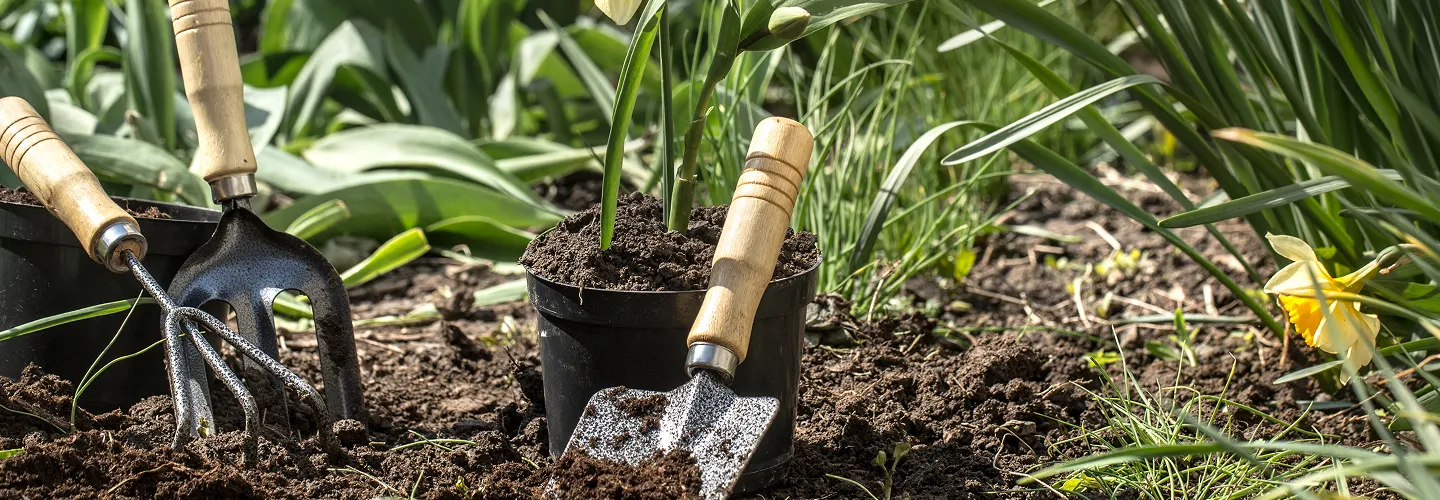
Winter Haven Flower Planting Services
Choose our expert flower planting services to enjoy vibrant, healthy gardens tailored to your preferences—our team ensures every bed is thoughtfully designed and professionally maintained for lasting beauty all season long.
Get a Free QuoteOur Winter Haven Landscaping & Yard Care Services
When to Schedule Flower Planting in Winter Haven, Florida – Seasonal Guide
Flower planting in Winter Haven, Florida, is best scheduled during the cooler months of late fall through early spring. The region’s subtropical climate means that winters are mild, with average lows rarely dipping below 50°F, and the last frost typically occurs in late January. This allows for a longer planting window compared to northern regions. Neighborhoods near Lake Howard and Cypress Gardens often benefit from the moderating effects of nearby water bodies, which can reduce the risk of frost and extend the growing season.
When planning your flower beds, it’s important to consider local environmental factors such as the sandy, well-draining soils common in Winter Haven, as well as the area’s high humidity and occasional drought conditions. Shaded yards in communities like Eloise Woods may require different plant selections and timing than sunnier lots in Southeast Winter Haven. For more information on local planting guidelines and municipal restrictions, visit the official city resource.
Local Factors to Consider for Flower Planting in Winter Haven
- Proximity to lakes and water bodies (affects microclimate and frost risk)
- Soil type and drainage (sandy soils require specific amendments)
- Shade coverage from mature oaks and palms
- Seasonal rainfall patterns and drought risk
- Neighborhood-specific municipal restrictions on landscaping
- Terrain variations, especially in areas near Lake Elbert or Chain of Lakes Park
Benefits of Flower Planting in Winter Haven
Expert Local Knowledge
Seasonal Plant Selection
Enhanced Curb Appeal
Professional Garden Design
Reliable Maintenance Services
Eco-Friendly Landscaping Solutions
Winter Haven Flower Planting Types

Annual Flower Beds
Seasonal color displays using vibrant annuals for maximum impact.
-
Perennial Gardens
Long-lasting blooms that return year after year for low-maintenance beauty.
-
Native Wildflower Plantings
Eco-friendly landscapes featuring Florida-native wildflowers.
-
Shade Garden Flowers
Specialized plantings for areas with limited sunlight.
-
Pollinator-Friendly Gardens
Flower beds designed to attract bees, butterflies, and hummingbirds.
-
Container Flower Arrangements
Versatile and movable flower displays for patios and entryways.
-
Drought-Tolerant Flower Beds
Low-water plantings ideal for sustainable landscaping.
Our Flower Planting Process
Site Evaluation
Soil Preparation
Plant Selection
Careful Planting
Watering and Mulching
Why Choose Winter Haven Landscape Services
Winter Haven Homeowners Trust Us
-
Expert Lawn Maintenance
-
Reliable Scheduling
-
Competitive Pricing
-
Professional Team
-
Satisfaction Guarantee
-
Personalized Service
-
Locally Owned and Operated
Coordinating Flower Planting with Winter Haven’s Parks and Recreation Department
Flower planting in Winter Haven often involves coordination with the city’s Parks, Recreation and Culture Department, especially for projects in public spaces, medians, or community parks. Residents and property managers planning installations in these areas should be aware that the department oversees plant selection, irrigation compatibility, and ongoing maintenance standards. For private properties, city guidance is available for Florida-Friendly Landscaping and runoff prevention, particularly near lakes, canals, and storm drains. When planning a community or HOA-wide planting, it is advisable to consult the department for approved species lists and to ensure that irrigation and drainage systems are compatible with city infrastructure. For projects adjacent to public rights-of-way, verify if any review or notification is required to avoid conflicts with city maintenance schedules or utility access.
Winter Haven Parks, Recreation and Culture Department
451 Third Street NW, Winter Haven, FL 33881
Official Website: Winter Haven Parks, Recreation and Culture Department
How Central Florida’s Climate and Soils Shape Flower Planting in Winter Haven
Winter Haven is situated in Central Florida’s inland peninsula, characterized by a humid subtropical climate, high summer temperatures, and a pronounced wet season from late spring through early fall. The area’s soils are predominantly sandy, with rapid drainage but limited nutrient retention, as confirmed by the USDA Web Soil Survey. These conditions influence flower selection and site preparation:
- High rainfall during the wet season can cause runoff, especially near lakes, swales, and storm drains, making erosion control and mulch retention essential.
- Sandy soils require organic amendments to support healthy root development and moisture retention for annuals and perennials.
- The USDA Plant Hardiness Zone for Winter Haven is 9b, which allows for a wide range of subtropical and heat-tolerant flowering species, but occasional winter cold snaps may still affect sensitive plants.
Regulatory Considerations and Environmental Compliance for Flower Planting in Winter Haven
Flower planting projects in Winter Haven must comply with both municipal and state-level environmental standards. While most residential plantings do not require permits, installations in public spaces or near environmentally sensitive areas—such as lakeshores or stormwater retention basins—may be subject to review by the city’s Natural Resources Division. The Florida-Friendly Fertilizer Ordinance and Florida Statutes §403.9337 restrict fertilizer use near water bodies to protect water quality. Additionally, the Florida DEP NPDES Stormwater Program provides guidance on preventing sediment and nutrient runoff from landscaped areas. For large-scale or commercial projects, verify with the city if a site plan review or environmental assessment is required.
Winter Haven Natural Resources Division
490 Third Street NW, Winter Haven, FL 33881
Official Website: Winter Haven Natural Resources Division
Professional Methods and Seasonal Timing for Flower Planting in Winter Haven’s Climate
Effective flower planting in Winter Haven requires adapting methods to the region’s climate and soil profile. Key professional standards include:
- Schedule major plantings for late winter through early spring or early fall, avoiding peak summer heat and heavy rainfall periods.
- Amend sandy soils with compost or organic matter to improve water and nutrient retention, especially in new beds or areas with fill soils.
- Select species proven for USDA Zone 9b, prioritizing drought-tolerant and heat-resilient varieties for exposed sites.
- Install drip irrigation or micro-spray systems to maximize water efficiency and minimize runoff, following EPA WaterSense Outdoors recommendations.
- Apply mulch at a depth of 2-3 inches to suppress weeds, moderate soil temperature, and reduce erosion, but keep mulch clear of storm drains and water edges.
What Neighborhoods Do We Serve Throughout Winter Haven, FL?
- Cypresswood This gated community features mature landscaping, HOA-managed irrigation, and proximity to golf course drainage systems.
- Lake Elbert Properties here often border lakes and require careful runoff management to protect water quality and shoreline plantings.
- Downtown Winter Haven Urban lots in this area may have limited planting space, higher pavement heat, and require compact, heat-tolerant flower selections.
- Southeast Winter Haven Newer subdivisions in this region are built on fill soils with engineered drainage, affecting both soil prep and irrigation needs.
- Lake Ashton This active adult community includes extensive common areas, pond edges, and coordinated landscape maintenance standards.
- Garden Grove Known for larger lots and mature shade trees, this neighborhood presents both sun and shade planting opportunities and variable irrigation coverage.